
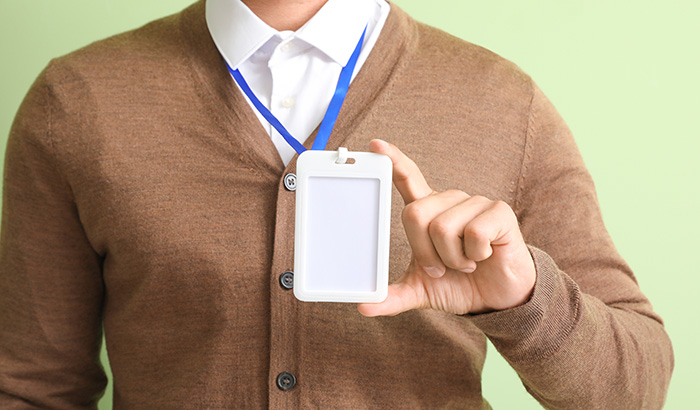
Employee badges are a fundamental part of modern workplace security and organization. They may seem like small pieces of plastic or digital data, but their significance goes far beyond their size. They serve as a visual representation of an individual’s role and authorization within an organization, helping create a safe and orderly environment.
By the end of this blog, you’ll be equipped with a comprehensive understanding of employee badges and how to leverage them effectively in your workplace. So, let’s dive in and unlock the full potential of these tiny yet powerful tools!

What Are Employee Badges?
Employee badges are the unsung heroes of workplace security. They are small, unassuming items that pack a punch when it comes to their impact on the modern workplace. In this section, we’ll uncover the essence of employee badges, exploring what they are, their purpose, and the diverse types available.
At their core, employee badges are identification tools issued to individuals within an organization. Their purpose goes far beyond mere identification; they serve as multifunctional assets that enhance workplace security, streamline processes, and promote professionalism.
- Identification
Employee badges visually identify individuals in the organization, displaying their name, photo, job title, and company logo. This aids in recognizing colleagues and helps visitors identify staff members easily.
- Security
Employee badges serve as access control tools, regulating entry to specific areas based on authorization. They are essential for ensuring that only authorized personnel access restricted areas.
- Efficiency
Badges streamline time and attendance tracking through automated entry and exit recording, reducing administrative work and errors in attendance records.
- Professionalism
Employee badges enhance the organization’s professional image by displaying names, titles, and logos, instilling a sense of pride among employees and leaving a positive impression on clients and visitors.
Types of Employee Badges (Physical and Digital)
Employee badges come in various forms, catering to the diverse needs and preferences of organizations. The two primary categories are physical and digital badges, each offering unique advantages:
Physical Employee Badges:
- Proximity Cards: These badges use RFID (Radio-Frequency Identification) technology to grant access to secure areas. They are often used in office buildings and hospitals.
- Magnetic Stripe Cards: These badges have a magnetic stripe that stores information, allowing them to be swiped through card readers. They are commonly used in access control systems and for time tracking.
- Smart Cards: Smart cards combine RFID and a microchip to enhance security. They are often used in environments where high-security levels are required, such as government facilities.
- Photo ID Badges: These badges include a photograph of the employee, enhancing visual identification. They are prevalent in many organizations for both security and professionalism.
Digital Employee Badges:
- Mobile Apps: Some organizations have moved toward digital badges accessible via mobile apps. Employees can use their smartphones to access secure areas, making it highly convenient and reducing the need for physical badges.
- NFC Technology: Near Field Communication (NFC) technology allows employees to use their smartphones or NFC-enabled devices for access control. It’s becoming increasingly popular due to its simplicity and security.
Whether you opt for physical or digital badges, their purpose remains consistent – to enhance the workplace experience for employees and visitors alike.

Components of Employee Badges
Employee badges are not just pieces of plastic or digital data; they are intricate tools designed to serve multiple functions while also representing your organization’s identity. In this section, we will explore the various components that makeup employee badges, shedding light on their significance and how they contribute to the overall effectiveness of these small yet powerful assets.
Badge Design and Customization
- Visual Identity: Badge design is a reflection of your organization’s brand. Customizing badges with your logo and design elements reinforces brand identity.
- Professional Appearance: Badges should maintain a polished and professional look. Clean typography, well-placed photos, and attention to design detail contribute to workplace professionalism.
- Durability: Choose high-quality materials for badge creation to ensure they withstand daily wear and tear, especially in physically demanding environments.
Identification Information
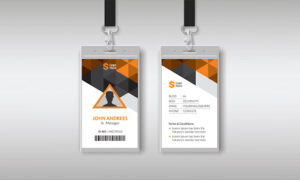
- Employee Name: A fundamental component of an employee badge is the employee’s name. It’s a simple yet critical element for identification within the workplace.
- Job Title: Including the employee’s job title on the badge helps colleagues, clients, and visitors quickly understand the role and responsibilities of the wearer.
- Unique Employee Identifier: Many badges have a unique identifier, such as an employee ID number or barcode. This identifier streamlines various processes, including time tracking and access control.
Security Features (e.g., Holograms, Barcodes, RFID)
- Holograms: Holographic overlays or stickers on badges are a visible security feature that is difficult to replicate. They help to verify the badge’s authenticity and deter counterfeiting.
- Barcodes: Barcodes, typically found on the back of badges, contain encoded information that can be scanned for various purposes, such as checking in and out of the workplace or accessing secure areas.
- RFID: RFID chips are embedded in many modern employee badges. These chips emit radio signals that are read by RFID readers. They enable secure and contactless access control, making them popular for access badges.
- Magnetic Stripes: Magnetic stripes store data that is read when the badge is swiped through a card reader. They are commonly used for access control and time tracking.
- Employee Photos: Including a clear photograph of the employee on the badge enhances visual identification. It’s a simple yet effective way to ensure that the right person is using the badge.
- Biometrics: Some advanced badges incorporate biometric features such as fingerprint or iris scanning for heightened security. These biometric identifiers are difficult to forge and provide an additional layer of authentication.
To sum up this section, the components of employee badges work in harmony to provide a robust and multifunctional tool for your organization. The design, identification information, security features, and even employee photos or biometrics contribute to the effectiveness and professionalism of these badges, ensuring that they serve as both a visual representation of your organization and a key tool in maintaining security and efficiency in the workplace.
How Employee Badges Work
Employee badges are not mere pieces of plastic or digital files; they are sophisticated tools designed to perform various functions efficiently. In this section, we will delve into the mechanics of how employee badges work, exploring the technology behind physical and digital badge systems.
RFID Technology
- How It Works: RFID is a widely used technology in employee badges. Each badge contains a small RFID chip and an antenna. When an employee presents the badge to an RFID reader, the reader emits radio waves that power the RFID chip. The chip then sends back the encoded information to the reader, which verifies the badge’s authenticity and grants or denies access accordingly.
- Advantages: RFID technology is contactless, making it convenient for employees to gain access. It also offers a high level of security since RFID signals are challenging to intercept or clone.
Magnetic Stripe Cards
- How It Works: Magnetic stripe cards have a magnetic stripe on the back, which stores data in a binary format. When an employee swipes the card through a magnetic stripe reader, the reader interprets the encoded data and grants access if the information matches the authorized credentials.
- Advantages: Magnetic stripe cards are cost-effective and have been in use for a long time. They are compatible with existing systems, making them a practical choice for organizations with legacy infrastructure.
Mobile Apps and Digital Wallets
- How It Works: In the digital realm, employee badges exist as mobile apps or digital wallet items on smartphones. Employees install the app or add the digital badge to their mobile wallet. When they approach an access point, they use their smartphone to gain entry. This can involve scanning a QR code, tapping an NFC reader, or using a Bluetooth connection.
- Advantages: Digital badges are convenient and reduce the need for physical cards. Employees are less likely to forget their smartphones, and these systems offer added security through biometric authentication, like fingerprint or facial recognition.
NFC Technology
- How It Works: Near Field Communication (NFC) is another contactless technology used in digital badge systems. NFC chips in the badge and an NFC reader communicate by bringing them into close proximity (usually a few centimeters). The reader verifies the badge’s information and grants access if authorized.
- Advantages: NFC technology is fast, reliable, and highly secure. It’s becoming increasingly popular due to its convenience and compatibility with various devices.
Integration with Access Control Systems
Regardless of the badge technology used, integration with access control systems is crucial. Access control systems manage who can enter specific areas and at what times. When an employee presents their badge, the access control system processes the data, checks it against authorized entries in the database, and grants or denies access accordingly.
Integration with access control systems ensures that access permissions are consistently enforced. It also provides a centralized management point for adding or revoking access privileges, enhancing security and efficiency.
Understanding how these systems work is essential for organizations looking to implement or upgrade their badge systems, providing a seamless and secure experience for employees and visitors alike.
Naag Tag Offers the Best in Employee Badges
In the quest for top-notch employee badges that combine quality, style, and reliability, there’s no better choice than Naag Tag. Our exceptional craftsmanship and meticulous attention to detail guarantee badges that leave a lasting impression.
Why settle for ordinary when extraordinary employee badges are just a click away? Explore our catalog of employee badges and name tags, unlocking a world of possibilities for all your badge needs. Contact Naag Tag today at 801-609-9970 for more information and elevate your badge experience.